Ground Cover Controlled for Site Access
Vegetation Management in Oakdale for solar farms and ground-mounted arrays where plant growth affects routine maintenance
Solar farms and ground-mounted commercial arrays experience seasonal plant growth that obstructs access lanes, shades lower panel edges, and creates fire fuel loads around equipment. Managing vegetation ensures maintenance crews can reach inverters, inspect mounting hardware, and service panels without navigating overgrown pathways or risking contact with tall grasses and weeds. PC Capital Management provides vegetation control for solar operators and asset managers who need site conditions maintained between panel cleaning cycles or equipment inspections, and the approach is tailored to the methods confirmed for each site, which may include mowing, trimming, mechanical removal, or herbicide application depending on site size, terrain, and operational requirements.
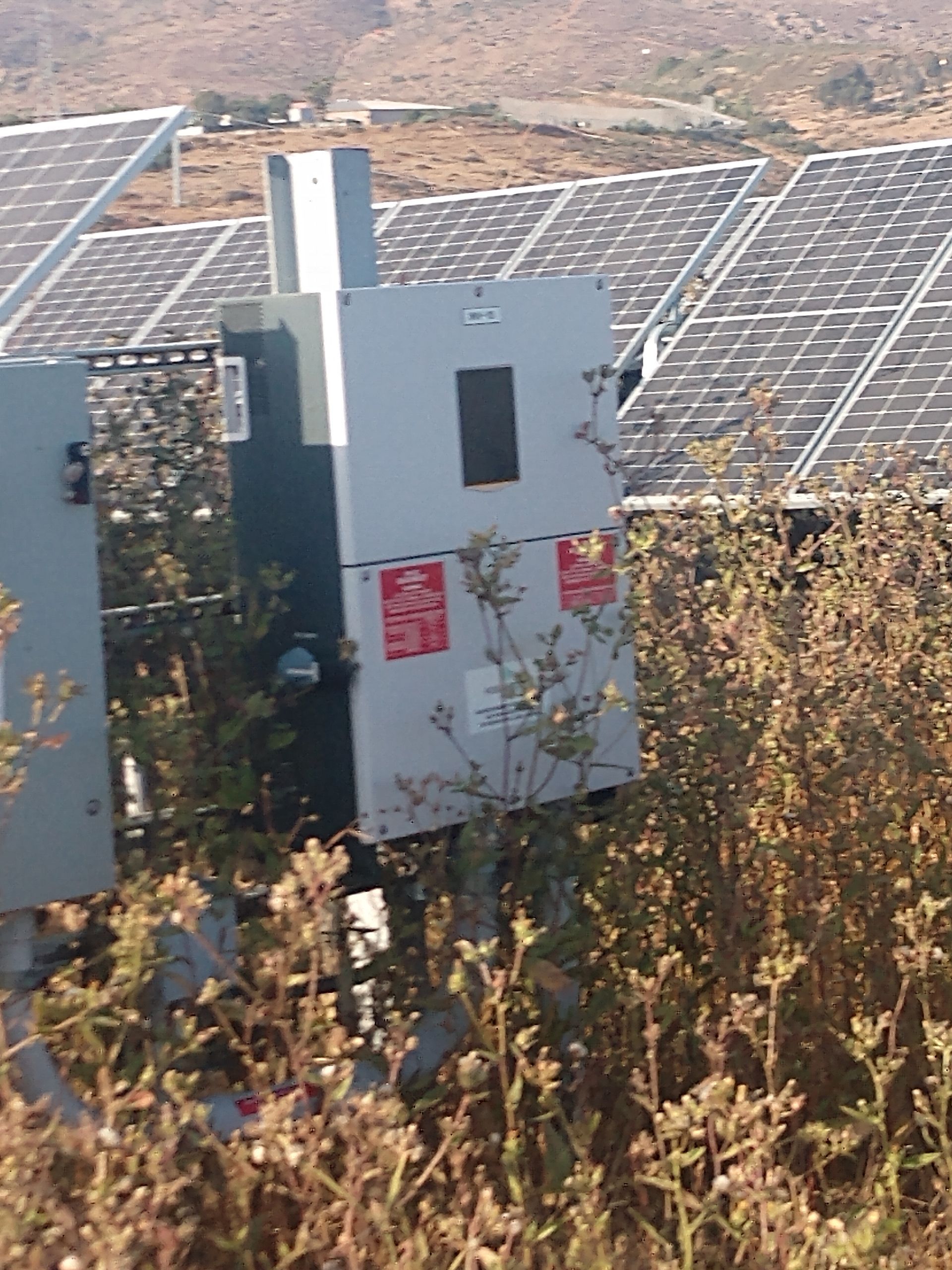
Vegetation work targets plant growth in access rows, beneath panel arrays, and around electrical enclosures where tall growth creates clearance violations or increases wildfire risk. The frequency of service depends on soil moisture, seasonal rainfall patterns in Oakdale, and the types of grasses or broadleaf plants that colonize the site after initial grading. Sites with irrigation runoff or drainage swales often see faster regrowth than properties relying solely on seasonal precipitation, and vegetation pressure increases during wet winters and early spring months before summer heat slows growth rates.
Request a site evaluation to assess current vegetation conditions and determine a management schedule aligned with your solar facility's operational needs.
What Vegetation Control Actually Accomplishes
Management begins with a site walkthrough to identify growth patterns, access constraints, and areas where vegetation has already encroached on equipment or shaded panel surfaces. Work proceeds using methods appropriate to the terrain and plant density, with equipment selected to minimize soil disturbance and avoid damage to conduit, grounding cables, or mounting posts. Sites with recurring growth benefit from scheduled service intervals that keep vegetation height below thresholds that block access or create shading on panel rows.
After vegetation is managed, solar operators notice clear access lanes that allow vehicles and maintenance personnel to reach all sections of the array, the elimination of tall grasses that previously contacted lower panel edges, and reduced fire risk in areas where dry vegetation had accumulated near electrical equipment. Coordinating vegetation control with panel cleaning allows both services to proceed during the same site visit, minimizing mobilization costs and ensuring the array remains clear of both plant growth and dust accumulation that affects energy output.
Vegetation management does not permanently eliminate plant growth unless paired with soil treatments or ground cover installations that suppress regrowth. Most solar sites require recurring service based on seasonal growth cycles, and operators benefit from establishing maintenance intervals that prevent vegetation from reaching heights that obstruct access or violate clearance standards before the next scheduled visit.
Questions Solar Operators Often Ask
Asset managers and facility operators responsible for ground-mounted solar installations typically want to understand service frequency, methods, and coordination with other site maintenance activities.
What areas of a solar farm require vegetation management?
Access roads, spaces beneath panel arrays, perimeter fencing, electrical enclosures, and drainage swales all require vegetation control to maintain clearance and prevent growth from interfering with operations or access.
How often should vegetation be managed at a solar site?
Service frequency depends on local rainfall, soil conditions, and plant species present, with most Oakdale sites requiring attention two to four times per year to stay ahead of seasonal growth cycles.
Can vegetation work be coordinated with solar panel cleaning?
Many operators schedule vegetation management and panel cleaning during the same site visit to reduce mobilization costs and ensure both ground conditions and panel surfaces are maintained in a single project window.
What methods are used to control plant growth around solar equipment?
Mowing, string trimming, mechanical brush removal, and targeted herbicide application are all potential methods, and the approach selected depends on site terrain, vegetation density, and operator preferences confirmed during the planning phase.
Why does vegetation grow faster in some areas of the site than others?
Drainage patterns, irrigation overspray, and soil moisture levels vary across solar farms, and areas receiving more water or runoff support denser and faster-growing plant populations than dry zones with minimal moisture input.
PC Capital Management works with solar asset managers to develop vegetation control plans suited to site conditions, equipment layout, and recurring maintenance schedules. Schedule a consultation to review your facility's vegetation challenges and establish a service plan that supports long-term site access and operational readiness.