Ground Arrays Facing Continuous Environmental Exposure
Solar Farm Panel Cleaning in Oakdale for large ground-mounted installations affected by dust, agricultural operations, and vegetation growth
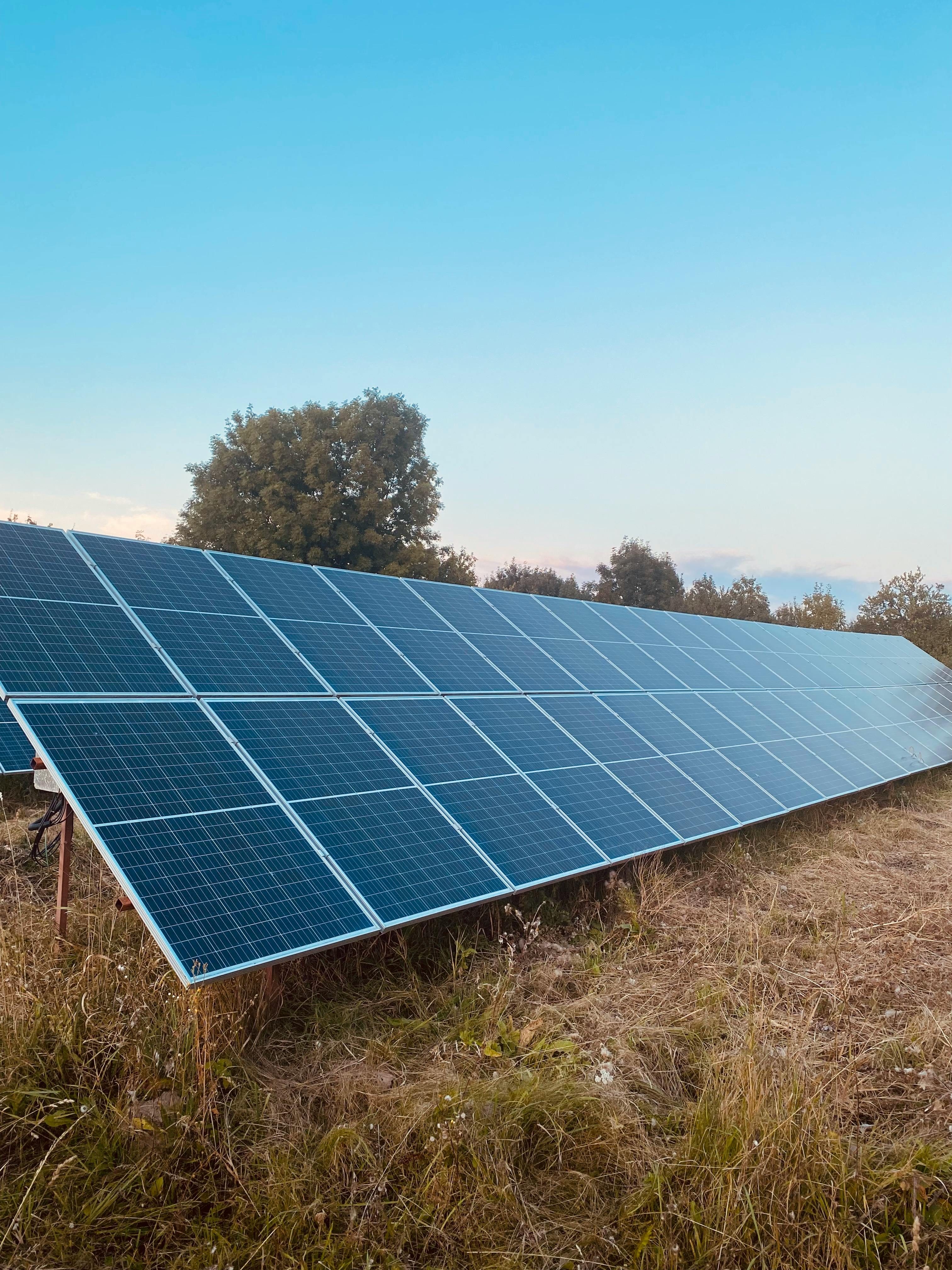
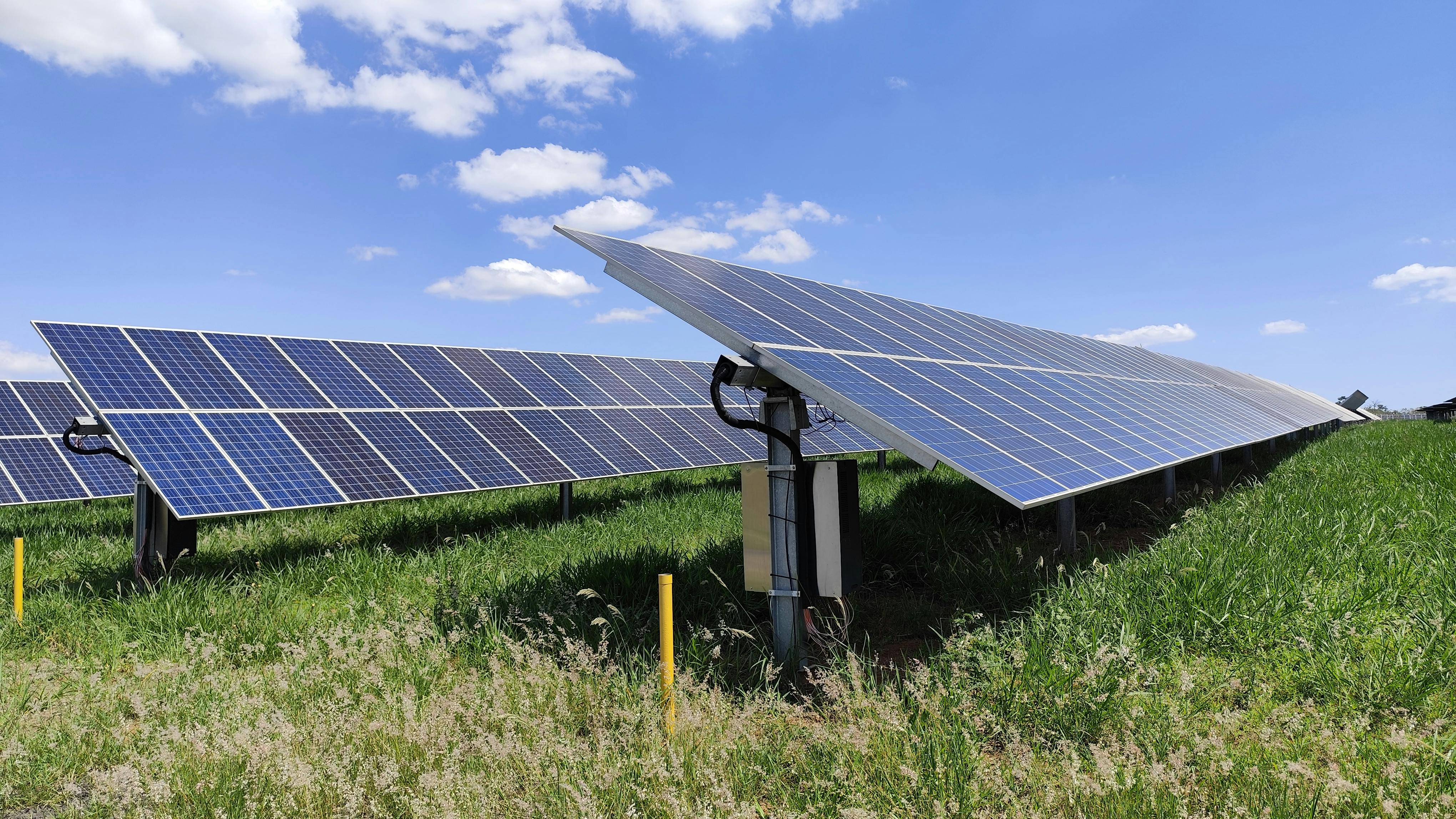
Ground-mounted solar arrays near Oakdale face contamination from field dust during cultivation seasons, organic debris from surrounding vegetation, and the accumulated effects of wind-carried particulate that settles across hundreds or thousands of panels between maintenance cycles. PC Capital Management provides cleaning services for solar farm operators and asset managers responsible for utility-scale installations where surface contamination directly affects asset performance and where the scale of work requires specialized equipment, experienced crews, and logistics planning beyond residential or small commercial capabilities. Solar farms present unique challenges: row after row of panels positioned low enough that ground dust impacts bottom edges first, access roads that determine equipment movement, and exposure to agricultural spray drift or pollen loads that wouldn't affect rooftop installations.
The cleaning process accounts for site-specific conditions such as proximity to almond orchards during bloom, nearby tomato fields during harvest dust, and native grasslands that release seed material during dry months. Each contamination source creates different deposit patterns, and professional cleaning addresses the full spectrum rather than applying one-size-fits-all methods.
Request a site assessment and maintenance proposal to evaluate your array's contamination patterns, discuss access logistics, and establish a cleaning schedule aligned with your operational calendar.
Why Ground-Mounted Arrays Require Specialized Attention
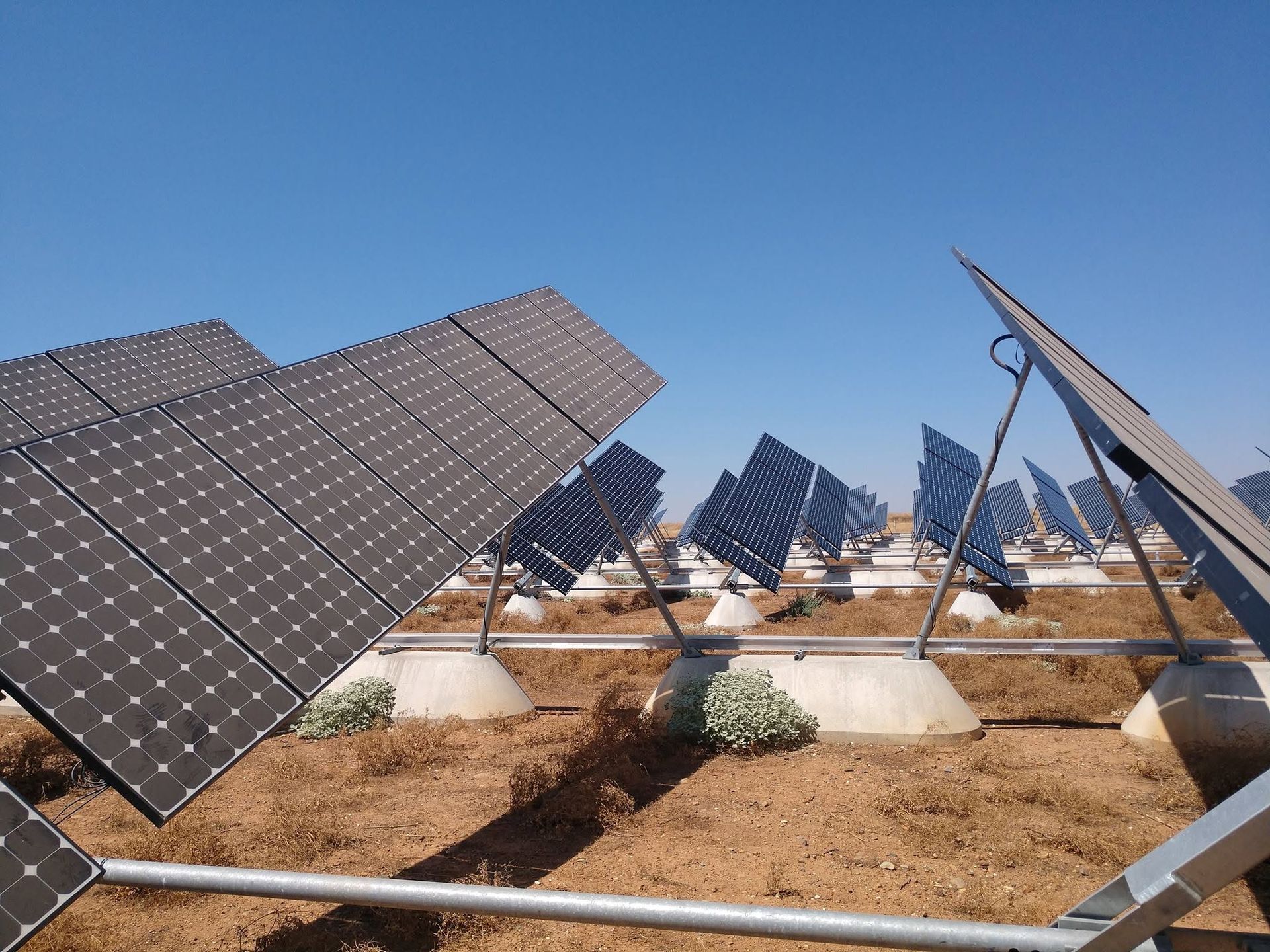
Solar farms accumulate environmental buildup faster than elevated rooftop systems because ground-level installation positions panels within the dust zone created by wind movement across bare soil, farm equipment traffic, and the particle suspension that occurs during field operations. A single cultivation pass on an adjacent parcel can deposit fine sediment across an entire array section, and seasonal vegetation cycles contribute pollen, seeds, and organic material that bonds to panel surfaces when combined with morning dew.
After professional cleaning, solar farm operators observe visibly clear glass across all rows, elimination of the brownish haze that develops gradually during dry seasons, and removal of the streaking patterns caused by rain washing contaminated sections while missing others. The difference becomes particularly apparent when comparing cleaned sections to areas awaiting service.
Large-scale cleaning integrates with other solar farm maintenance activities, and PC Capital Management coordinates with Vegetation Management services when ground conditions around array perimeters contribute to contamination issues. The service does not include electrical diagnostics, tracker mechanism repair, or infrastructure maintenance—those require separate technical contractors with utility-scale system expertise.
What Solar Farm Operators Want to Know
Asset managers and solar farm operators evaluating cleaning services typically focus on logistics, site-specific challenges, and how professional maintenance fits into broader operational and financial planning for large arrays.
What makes solar farm cleaning different from commercial rooftop service?
Ground-mounted arrays require equipment that can traverse uneven terrain, navigate between panel rows without damaging support structures, and operate efficiently across large distances where water supply points may be hundreds of feet apart. Crew training emphasizes avoiding tracker mechanisms, respecting electrical conduit routing, and recognizing when vegetation intrusion requires attention beyond panel surface cleaning.
How does agricultural activity in Oakdale affect cleaning frequency?
Solar farms located near active cropland experience higher contamination rates during spring tilling, summer harvest, and fall field preparation when dust generation peaks. Arrays downwind from orchard operations face additional pollen and spray drift exposure, while installations near grazing land contend with airborne organic material during dry-season wind events.
What access does a cleaning crew need at a solar farm site?
Professional teams require entry clearance through perimeter fencing, knowledge of internal access road layout, locations of water sources or hydrant connections, and advance notice of any array sections under maintenance or electrical work that must be avoided during the service visit.
Can panel cleaning be combined with vegetation management?
PC Capital Management coordinates both services when site assessments reveal that ground cover, invasive species, or perimeter vegetation contributes to shading, creates fire fuel loads, or harbors wildlife that increases bird activity and subsequent contamination around array edges—common conditions in Central Valley solar installations.
What documentation supports asset management reporting?
Solar farm operators receive detailed service records including panel counts, row-by-row condition notes, photographic evidence of pre-cleaning contamination and post-service results, and maintenance completion certifications suitable for investor reports, utility compliance documentation, or operational performance reviews required by financing agreements.
PC Capital Management brings 16 years of solar industry background to ground-mounted array maintenance, understanding both the technical requirements of large installations and the operational realities solar farm managers face. Reach out to schedule a site assessment, review your facility's specific contamination challenges, and develop a maintenance plan that addresses your array's exposure conditions and cleaning cycle requirements.