Sites Cleared of Droppings and Debris
Bird Waste Removal and Cleanup in Oakdale for properties affected by accumulated contamination around solar arrays and commercial structures
Facilities with active or historical bird roosting develop layers of droppings, feathers, and nesting materials beneath solar carports, along building ledges, and inside canopy structures. Cleanup addresses the contamination that remains after birds are excluded or before exclusion barriers are installed, and the work targets areas where waste has built up over weeks or months of activity. PC Capital Management provides waste removal services for commercial sites, solar installations, and properties where sanitation and maintenance standards require contamination to be cleared before operations resume or site access improves.
Cleanup involves removing visible droppings and nesting debris from horizontal surfaces, beams, and equipment, along with addressing accumulation in gutters, roof valleys, and gaps between solar panels and roof decking. The process restores sanitary conditions by eliminating organic material that attracts insects, creates odors, or degrades building surfaces over time. Many property operators schedule cleanup as part of a coordinated bird abatement project, ensuring waste is cleared before netting or other exclusion measures are installed to prevent birds from returning to contaminated zones.
Assess the affected area and receive recommendations for cleanup scope and timeline based on contamination volume and site layout.
What Changes After Waste Is Removed
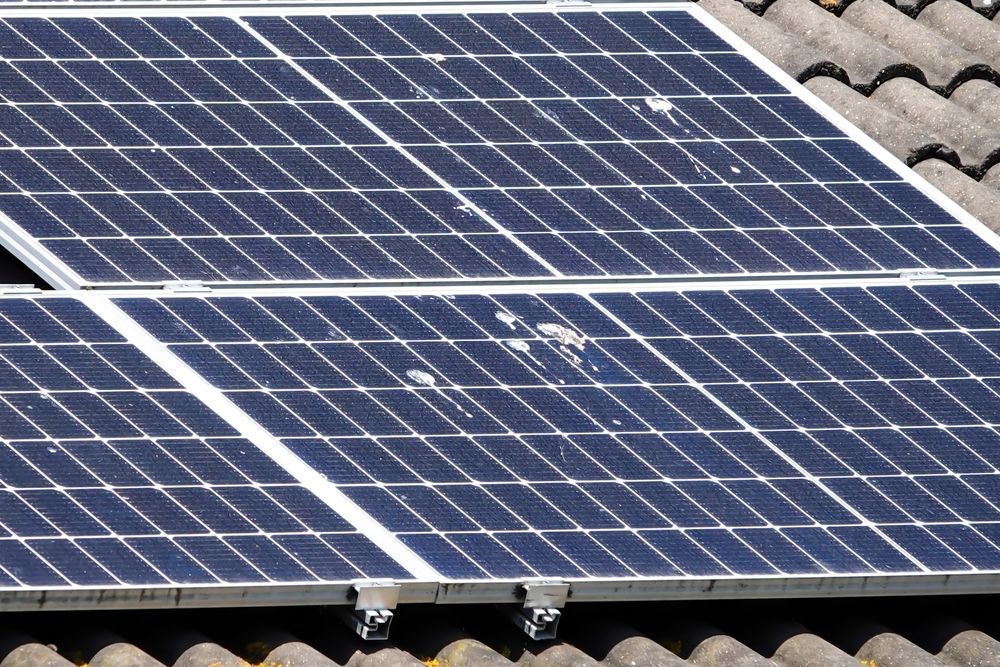
Cleanup begins with an evaluation of contamination distribution, access requirements, and any equipment or surfaces that need protection during waste removal. Material is manually removed from beams, panels, and ledges, and debris is collected and disposed of according to site protocols. Surfaces are treated to remove staining where droppings have adhered to metal, concrete, or painted finishes, and areas previously inaccessible due to waste buildup are cleared for inspection or maintenance access.
Once cleanup is finished, facility managers notice the absence of odors associated with decomposing organic matter, the restoration of clean surfaces beneath canopies and along walkways, and improved access to equipment that was previously surrounded by nesting debris. Solar arrays operate without shading caused by waste piles on panel edges, and maintenance crews can inspect structural connections and attachment points that were obscured by droppings. Gas station canopies, food preparation buildings, and manufacturing sites return to sanitary baseline conditions that support ongoing operational requirements.
Cleanup does not prevent birds from returning unless combined with exclusion measures such as netting or other barriers. Properties addressing active bird pressure benefit from coordinating waste removal with netting installation, ensuring contamination is cleared and future access is blocked within the same project window. Some sites require recurring cleanup if exclusion is not feasible or if seasonal bird activity continues to affect areas outside the protected zones.
Common Questions About Waste Removal
Facility managers and property operators in Oakdale often ask about cleanup timing, safety considerations, and how waste removal integrates with broader bird control efforts.
What types of contamination does cleanup address?
Droppings, feathers, nesting materials, eggshells, and debris carried by birds into roosting areas are all removed during waste cleanup, along with staining and residue left on surfaces after material is cleared.
How is waste removed from beneath solar panels?
Access to the gap between panels and roof surfaces is gained by lifting panel edges where necessary or using tools to extract debris from confined spaces, and material is collected and bagged for proper disposal.
When should cleanup be scheduled relative to exclusion work?
Waste removal is most effective when completed immediately before netting or barriers are installed, ensuring the protected area is free of contamination and reducing the risk of odors or insect activity trapped inside the exclusion zone.
What surfaces can be damaged by long-term bird waste exposure?
Acidic droppings degrade paint, corrode metal fasteners, and stain concrete and composite materials, and prolonged exposure can weaken waterproof membranes on flat roofs or beneath solar arrays.
Can cleanup be performed while the facility remains operational?
Most waste removal projects proceed without requiring shutdowns, though work may be scheduled during off-peak hours to avoid disruption to customer access, production lines, or equipment positioned beneath contaminated areas.
PC Capital Management evaluates contamination levels, access constraints, and site conditions to develop cleanup plans that restore sanitary conditions and support exclusion goals. Reach out to arrange an on-site evaluation and receive a detailed scope and cost estimate for your property.

Official Bird B Gone Certified Installers
Pest birds nesting underneath solar panels pose a direct threat to system performance, wiring integrity, and long-term energy output. Standard deterrents often fail—proper protection requires factory-trained expertise.
As an official Bird B Gone Certified Installer, PC Capital Management is certified to install commercial-grade bird exclusion systems designed specifically to protect solar arrays without damaging equipment or voiding warranties.
What Being a Certified Installer Means for Your Solar Investment
BIRD B GONE CERTIFIED INSTALLER STANDARDS
Authorized Hardware
Exclusive access to Bird B Gone's USA-made, commercial-grade solar mesh and barrier systems.
Warranty-Safe Clips
Specialty tensioning clips that secure barriers firmly without drilling into panel frames.
Factory-Trained Teams
Certified through Bird B Gone University in professional bird abatement and site safety.
Full Site Remediation
Complete service including bird waste removal, sanitation, and precision panel cleaning.
Why Choose a Bird B Gone Certified Installer?
Certified Perimeter Protection
We lock out pigeons, sparrows, and pest birds with specialized physical mesh that withstands harsh California weather.
Preserve Solar Warranties
Non-invasive mounting hardware keeps panel structures and manufacturer warranties completely intact.
Stop Costly Damage
Protect critical wiring, junction boxes, and roof surfaces from corrosive droppings, nesting heat traps, and pest gnawing.